A lot of people don’t realize, really, how difficult wallpaper removal is. You stare at your wall and think, like, if you lift one corner of the wallpaper, and you say, “How hard could it be?” But then, after three hours of struggling with it, you’re still there in this hazy steam, with torn wallpaper clinging to your hair, and you’re wishing you had just called in a professional to handle the job properly.
That inner wrestling of “I can manage this on my own” versus “maybe I ought to bring in a professional” is something we all catch ourselves doing, especially when it is time to refresh our living space. This article gives a view of both ways, so you can pick what lines up with your daily life.
The DIY Route: What You’re Really Signing Up For
Time Is the Variable Nobody Talks About
Taking it on your own is pretty clear in terms of appeal. You save money, you keep moving at your own tempo, and there’s this quiet sense of satisfaction in finishing a task alone. Still, pulling down wallpaper somehow makes the whole process drag, in ways people don’t always anticipate, so it can catch you a bit off guard.
Sometimes a single room can take a weekend or longer. Older houses with several layers of wallpaper, or walls that never got proper priming before the paper was laid on, might need more time. Surfaces that look level and even at first can later show bubbling, splitting, or small dents once the wallpaper removal is taken off. After that, it is the whole patching and sanding phase, and every so often, a full skim coat is used before the painting part is even considered.
Tools and Materials
Getting the Right Equipment
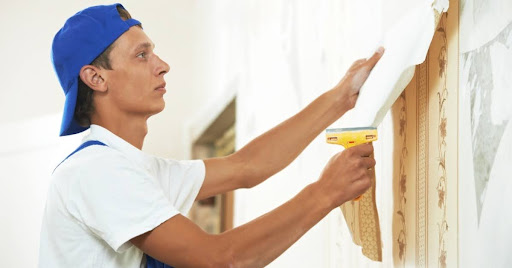
You’ll need a scoring tool, a spray bottle or steamer, a good scraper, drop cloths, and a lot of patience. The right wallpaper removal tool makes a real difference. A plastic scorer that barely perforates the surface is going to frustrate you. A quality scoring wheel cuts cleanly and lets the solution soak in properly.
Most DIY stores carry everything you need. The cost adds up, though. Renting a steamer, buying the solution, drop cloths, and patching compound, it’s nothing. And if you damage the drywall during removal, you’re looking at additional repairs on top of that. How Small Businesses Can Use Color Psychology To Attract New Customers
Realistic Expectations for First-Timers
If you already have experience, DIY is usually a sensible choice. But if this is your first attempt, plan for a little settling period, because it can take time to get the rhythm. The first wall you build tends to move along at a slower pace than the next ones, and little errors can stack up quietly. Also, that corner you rushed over will come back as a problem later, when you’re trying for that smooth, clean finish.
Professional Services: What You’re Actually Paying For
- Speed and Experience Are the Core Values
A professional wallpaper removal service brings a crew that has done this many times over. They know what to expect from different wall surfaces, adhesive types, and construction eras. That experience translates directly into speed.
The amount of time that is required to get the work done really depends on the size of the rooms and how the walls are set up. What a DIY approach may take a whole weekend, hiring professionals in this field can get the work done faster, or in a few days.
- Less Risk of Wall Damage
Another kind of expense in DIY removal that people rarely mention is the possible harm to the walls. It is actually pretty easy to scratch up drywall with a scraper if you don’t have much experience, and then the fixes need both time and money. In contrast, experts deal with the wall using this careful approach, so it comes out noticeably better, ready for painting or to accept fresh materials, with minimal extra preparation.
- Finding the Right Service
Looking at actual client feedback can be helpful, especially when you’re trying to understand how people handle wall damage. Are Interior Painting Services Easy and Affordable Home Solutions?
Painting is more than just putting color on a wall. Good prep work and a careful cleanup, well, that is what helps the result look smooth and stay around longer. It can take a little more patience at the beginning, but the gap becomes obvious once everything is finished. NJ Painting Services puts a strong focus on those little details; instead of jumping through hoops or taking shortcuts, you know what I mean.
Which Method Truly Saves Time?
Choosing What Works Best for Your Situation
When you’re in a compact space, having the right gear and a bit of DIY energy can make the whole thing oddly satisfying, in a way that actually works too. But if you’re dealing with a larger area, older walls, or you simply don’t have the time for a whole weekend, then using a professional is, more often than not, the fastest path, by far.
There’s also the mental load to consider. Managing a DIY project, even a straightforward one, takes focus and follow-through. Mistakes have to be addressed. Supplies have to be sourced. For some people, handing that off entirely is worth the cost just for the peace of mind. What Is a Paint Finishes Chart and How Do You Use It to Choose the Right Paint?
The Hidden Cost of Going Slow
Putting time into wallpaper removal means you’re basically not using that time for other parts of your life. It’s sort of obvious, but still, it’s the kind of thing that slips past you when you’re busy with planning, and you feel hopeful about the timeline. If a job starts as “just one weekend” and then it turns into three, it can throw off way more than only your schedule.
Closing Thoughts
At the end of the day, neither of these options is always better. What counts is being realistic about what you can pull off, the current state of your walls, and what “saving time” actually means for you. Some people will always want to do it themselves, and that’s a perfectly valid choice. Others will decide their time is better spent elsewhere. Both can be right.
Just go in with clear expectations either way, and you’ll come out the other side with walls worth looking at.
FAQs
How long does wallpaper removal usually take if I do it myself?
Taking off wallpaper removal can take a pretty odd long time; it often starts at about half a day, but it can stretch out to the point where it turns into a full weekend for no real reason.
Is it worth hiring a professional just for one room?
DIY damage repairs can somehow end up costing more than what looked reasonable at first, so the tiny savings from not hiring professionals simply go away, like really.
What if the walls are damaged after removal?
Minor gouges can be filled, but when the damage gets larger, you usually require a skim coat. Confirm wall repair details with professionals before hiring.